




FOR several weeks, I have been committing what may qualify as heresy in Philippine politics. I have argued that our problem is not merely finding better presidents. It is building institutions that do not require an extraordinary president merely to function.
Every six years, we search for another national savior. We select a face, invent a slogan, commission a jingle and persuade ourselves that this candidate will rise above the system that selected, financed and surrounded him.
Then Malacañang remains Malacañang.
The reformer discovers patronage. The populist discovers confidential funds. The strongman discovers that checks and balances are terribly inconvenient. The technocrat discovers Congress. And the people, having placed another messiah on the presidential billboard, wait six more years for the next miracle.
We keep replacing the chicken while preserving the coop and remain astonished that it lays the same rotten eggs.
The magnificent absurdity
A mature democracy should not need a national savior. It needs functioning institutions, genuine political parties, empowered local governments and citizens who hold officials accountable between elections — not merely replace the face on the billboard.
Yet here lies the absurdity: To escape presidentialism, we may first have to elect a president willing to reduce his own power.
We need a president who will use the enormous authority of his office to make that office less enormous; who will rally public support for constitutional reform, persuade Congress to surrender some privileges, strengthen local governments and transfer executive power to a parliamentary system where a failed prime minister can be removed without turning every crisis into a national soap opera.
In other words, the chicken must abolish the coop. Such a president would be rarer than honesty in a campaign advertisement. Power seldom volunteers for early retirement. Presidents do not enter Malacañang dreaming of becoming less important. Their allies did not spend fortunes electing them merely to create a system in which patronage becomes difficult, dynasties lose protection and political parties acquire principles.
So, must we wait for this miraculous creature? No.
Stop waiting for permission
Reform must stop waiting for Malacañang’s permission. A sympathetic president could accelerate change, rally public support and persuade Congress. But the movement cannot belong to him. Otherwise, reform rises and falls with one personality, and Filipinos resume their familiar search for another savior.
We must reverse the relationship. We do not wait for a president to create the movement. We create a movement that every president must confront.
If a reformer reaches Malacañang, the movement supports him. If he hesitates, it pressures him. If he suddenly discovers that concentrated presidential power is really quite comfortable — as presidents mysteriously tend to do — the movement proceeds without him. Or removes him.
That is institutional politics: The cause survives the leader. The movement must not become another afternoon of indignation — complete with banners, speeches, celebrity selfies and a return home before dinner. EDSA overthrew a dictator and restored democracy, a historic achievement. But succeeding upheavals taught us that changing the occupant does not necessarily change the architecture. We have repeatedly renovated the presidential bedroom while leaving the political house untouched.
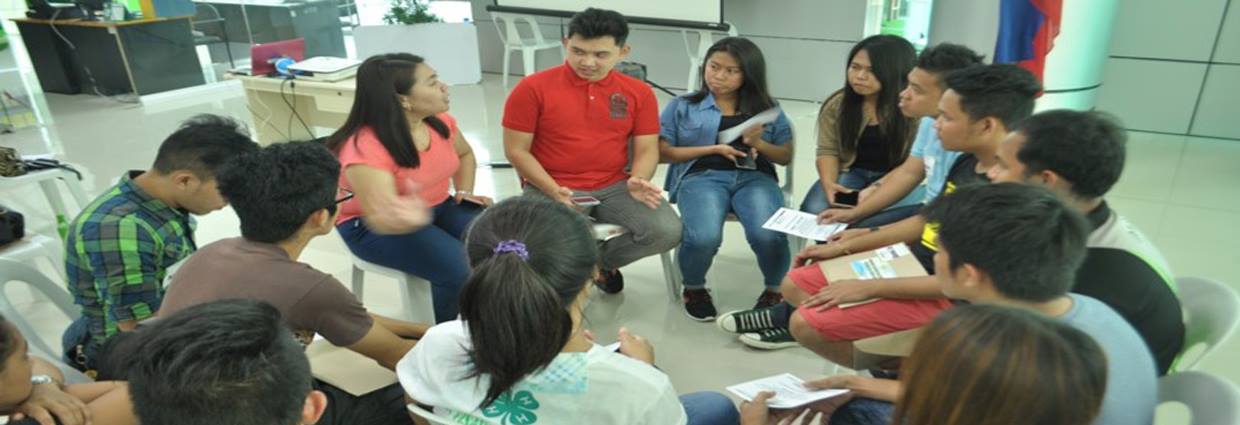
The next movement must be less theatrical and more permanent. It needs members, local chapters, transparent accounts, civic education, expert working groups and specific demands understandable beyond academic conferences and Manila television studios.
It must reach villages, provinces, universities, professional associations, labor groups, farmers, businesses, overseas Filipinos and the vast middle class that complains brilliantly online but remains politically homeless.
A million people, a million pesos
Imagine one million Filipinos contributing one peso each — not because one million pesos can finance a national transformation, but because one million citizens making even a symbolic contribution become stakeholders rather than spectators.
Call it the Million People-Peso March.
The amount matters less than the principle. Reform must be owned by citizens, not financed by oligarchs expecting repayment through appointments, franchises, contracts or protection. A peso freely contributed is morally cleaner than a million donated with an invoice concealed behind it.
Membership should mean more than receiving messages and applauding slogans. Citizens must study the alternatives, argue over them and help decide the program. Parliamentary government and federalism should not be marketed as magical imported machinery. Neither manufactures angels. Both merely distribute power differently, locate responsibility more clearly and make failure easier to punish.
Federalism can move authority and resources away from imperial Manila. Parliamentarism can replace an incompetent government through a vote of no confidence without impeaching the entire nation. But these reforms will fail if old dynasties simply occupy new regional capitals and political butterflies continue changing parties whenever the flowers in Malacañang change color. Therefore, constitutional reform must travel with political reform.
Build the alternative now
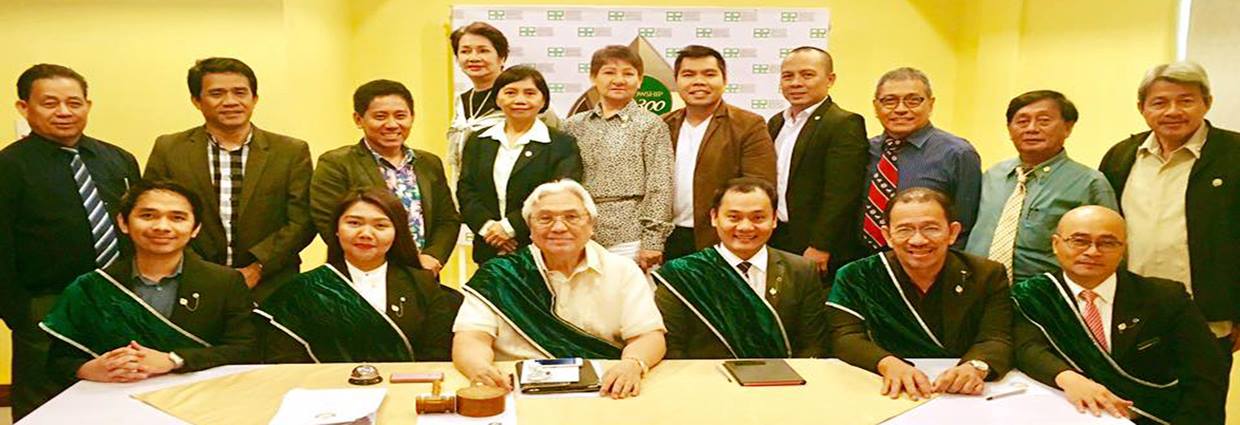
The movement should demand a genuine Political Party Development and Financing Act — the reform long advocated by CDP president and congressman Rufus Rodriguez. Parties must represent programs rather than temporary boarding houses for ambitious personalities. Political turncoatism must carry consequences. Donations and campaign spending must be transparent. Legitimate parties should receive regulated public support so that elections are not private auctions disguised as democracy.
We should also strengthen anti-dynasty rules, local autonomy, citizen participation and safeguards against the capture of regions by provincial warlords. Otherwise, we will decentralize corruption and congratulate ourselves for bringing government closer to the thieves.
The constitutional route remains preferable: Congress acting as a constituent assembly, an elected constitutional convention or a properly organized people’s initiative. Each route has defects because every route passes through institutions guarded by those who benefit from the present arrangement.
That is precisely why organization must come first. Without a disciplined citizens’ movement, constitutional reform becomes an elite negotiation over who receives which chair. With one, even reluctant politicians must listen. The objective is not to overthrow democracy through a coup, a revolutionary government or another uniformed shortcut. We have already spent enough of our history searching for benevolent strongmen and discovering, rather late, the adjective was imaginary.
The democratic revolution must precede the constitutional one: educate, organize, finance and mobilize citizens until reform can no longer be dismissed as a hobby of professors, retired politicians and newspaper columnists.
Make the president optional
Perhaps one day we will elect an extraordinary president courageous enough to reform the office that made him powerful. But after a lifetime of Philippine politics, I would rather not stake the Republic on another miracle. A sound system should help good leaders succeed without allowing bad ones to tow the entire country into the swamp.
So, yes, to escape the presidency, we may first elect a president. But we must not wait for him, worship him or make him the proprietor of reform.
The movement must already exist before he arrives. It must support him when he advances reform, confront him when he retreats and survive him when he leaves.
For nearly a century, we have asked who will save the Philippines. Perhaps the revolutionary question is simpler: When will Filipinos stop waiting to be saved?
Build the movement. Change the rules. Abolish the coop. Then the president becomes optional.
000




